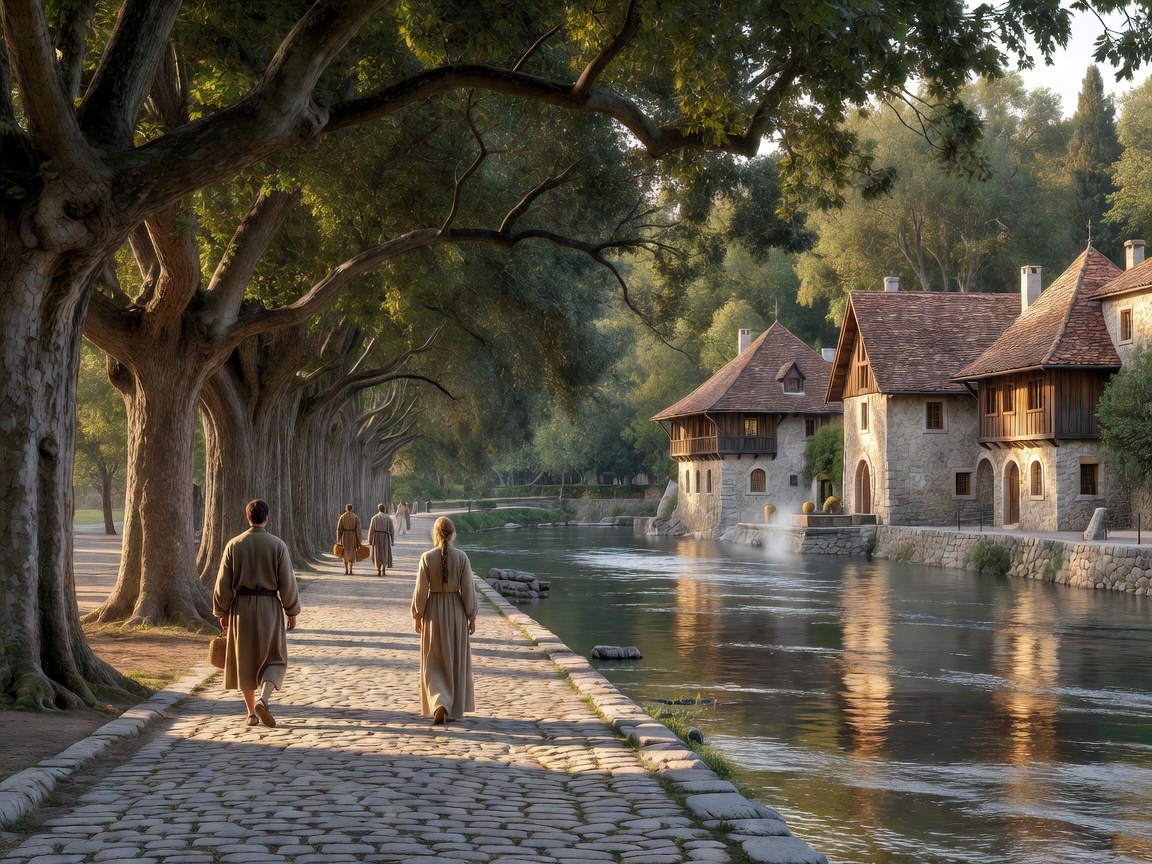
Walking has long been part of the spa-town experience—not as a race between attractions, but as a way to move between water, architecture, gardens, and conversation. A colonnade may provide a sheltered stroll; a river path may open a quieter edge to town; a formal garden can make a graceful pause between visits. The pleasures are simple, but the practical details still matter.
Read the public route
Historic promenades often connect springs, baths, hotels, parks, and central streets. In Karlovy Vary, the Teplá river and colonnades shape a memorable sequence through the valley. Rather than treating each building as a separate stop, notice how the route frames water, facades, and hills. In Baden-Baden, gardens and cultural landmarks sit within a landscape edged by wooded slopes. These settings can make a short town walk feel connected to a wider natural environment.
Bath offers a compact historic center where honey-colored Georgian architecture and Roman heritage meet busy everyday streets. Bad Ischl, in Austria, has an alpine spa-town atmosphere, with town character and surrounding scenery influencing how visitors explore. Local information can help distinguish a simple urban stroll from a signed walking or hiking route, particularly where paths leave the center.
Choose a route that suits the day
Start with a flexible loop rather than a fixed timetable. Choose one anchor—a colonnade, garden, river, or viewpoint—then add a café or cultural stop. Keep the route short enough to leave time for unplanned discoveries. A well-paced walk may include benches, shade, and a warm indoor pause as naturally as it includes a landmark.
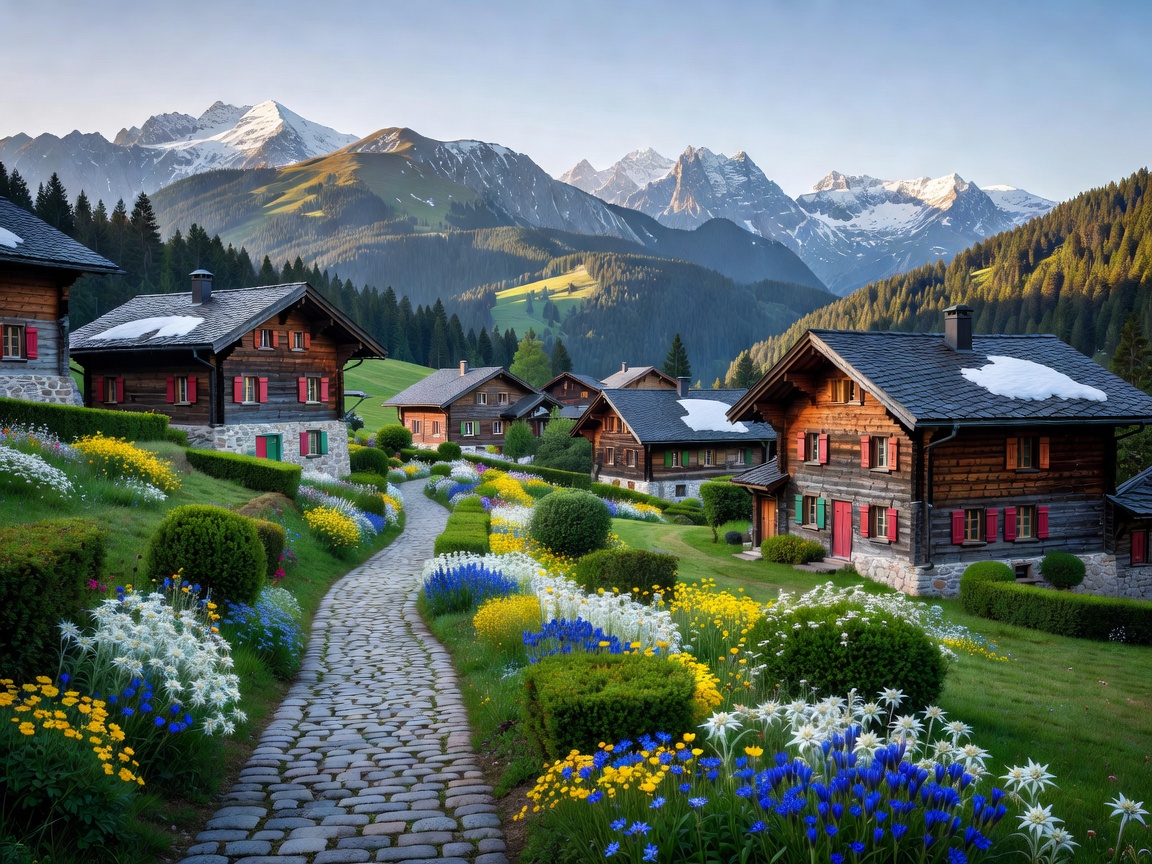
Do not infer accessibility from a route's popularity or appearance in a photograph. Cobblestones, slopes, stairways, narrow paths, temporary works, and seasonal surfaces can affect access. Consult local visitor information and ask about step-free alternatives, gradients, seating, and surface conditions. If you need a dependable route, seek current details from a local authority or visitor service rather than relying on an undated guide.
Weather, footwear, and comfort
Weather shapes a walk more than distance alone. A light layer and comfortable shoes can help on mixed paving; a rain plan might include a covered colonnade, museum, or café. In warm conditions, look for shade and water stops, but confirm public facilities locally. Winter light and quiet streets can be beautiful, while ice or early darkness can change route suitability. None of these seasonal patterns guarantees specific local conditions.
For longer or more exposed routes, check whether a path is maintained, signed, and appropriate for your experience. A promenade is usually part of a town's public realm; a hiking route may require different footwear, navigation, and preparation. Do not assume a scenic path is level or maintained simply because it appears on a visitor map.

Pair walking with local culture
Public spaces reward attention. Look at how a garden meets the street, where residents pause, and which cafés open onto a promenade. Take a quieter side street to see how grand visitor architecture sits beside everyday shops and homes. In some towns, a fountain or music pavilion may become a natural meeting point; in others, a riverbank or market square plays that role. The character belongs to each place, not to a universal spa-town template.
Plan indoor alternatives for weather or fatigue. A historic bathhouse exterior, local museum, gallery, or covered market may complement a walk without adding a long route. Check the current opening and access information for any indoor stop before building your day around it.
Walk-planning checklist
| Consider | Ask yourself |
|---|---|
| Route type | Is this a town stroll or a maintained walking trail? |
| Access | Are surfaces, gradients, steps, seating, and crossings suitable? |
| Weather | What covered or indoor alternative would make the day comfortable? |
| Pace | Have I left time for a café, a garden pause, and an unplanned stop? |
Good for
Visitors who enjoy architecture at walking pace, garden lovers, photographers, and anyone who wants an easy complement to a bathing or cultural visit. Adapt the route to your own mobility and energy.
What to know
We do not provide verified distances, walking times, trail conditions, or accessibility details. Check current local sources before setting out, especially for routes beyond the historic center.
Make space for the in-between moments
A spa town is often most itself between major sights: a morning stroll, a pause beside a fountain, the sound of a café terrace, or a view opening between buildings. Take a small route and let the day expand if conditions suit. The aim is not to collect every landmark but to understand how water, landscape, and civic life meet.
Explore our guide to destination settings, read about historic bathhouses, or discover regional food and local culture. For questions, contact the editorial team.