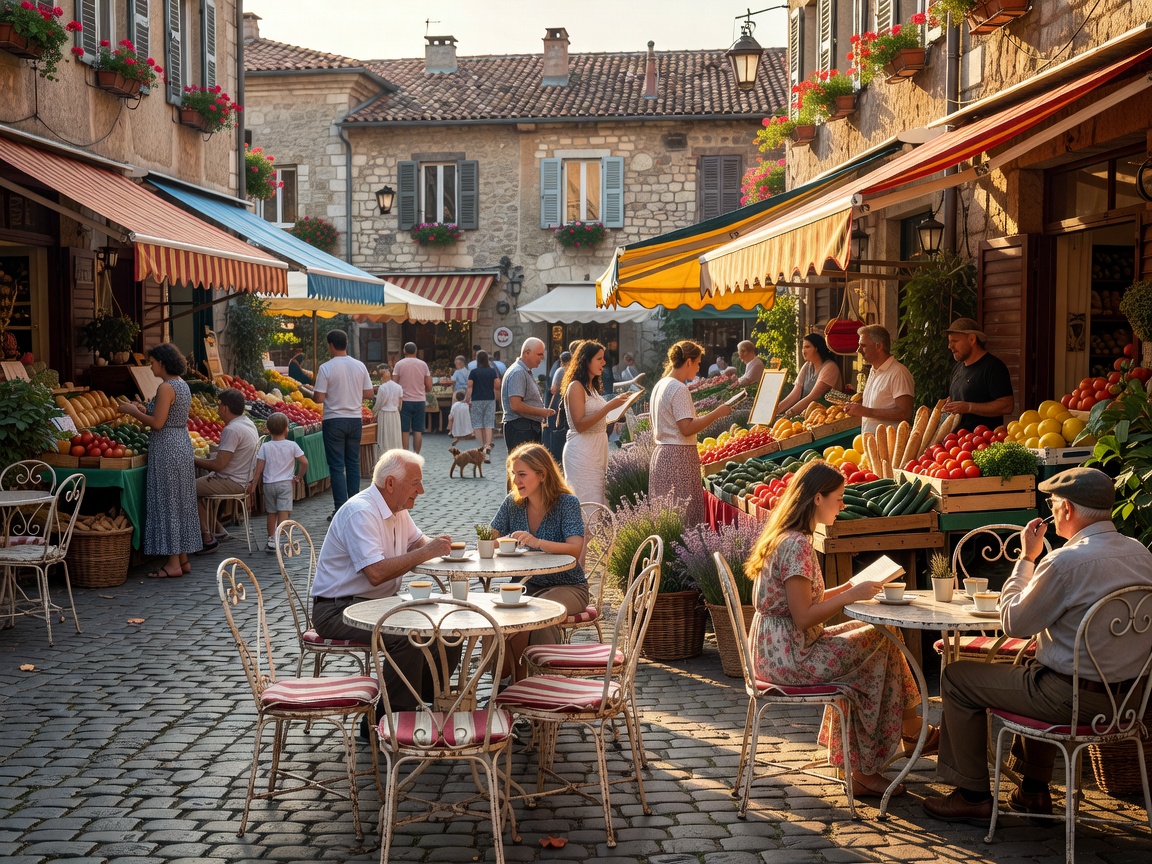
Food makes a destination tangible. A bakery stop, a market counter, or an unhurried dinner can reveal regional ingredients and daily rhythms that a grand spa building cannot. Spa towns have never existed outside their regions: visitors, residents, workers, and seasonal trade all contribute to their tables. There is no single “spa-town cuisine,” so follow local context rather than expecting a standard menu.
Look for the regional thread
Around Karlovy Vary, visitors encounter Czech food traditions within the wider West Bohemian region. Dumplings, soups, roasted meats, and sweet pastries appear in Czech culinary life in varied forms; individual menus differ, and no dish is universal to every restaurant. The best way to explore is to ask what is seasonal or locally characteristic, then read the menu with an open mind. A mineral-water town may also have cafés and confectionery traditions connected to its visitor history, but details are best learned from local sources.
Budapest and Hévíz are both in Hungary, yet their dining contexts are not identical. Hungarian cooking includes dishes such as gulyás, a soup with a long regional and historical story, alongside many other preparations. Budapest offers the breadth of a capital, from traditional dining rooms to contemporary kitchens and market food. Hévíz has a smaller resort-town rhythm and a different relationship between visitors and everyday services. Ask about ingredients and preparation rather than assuming a dish appears the same everywhere.
Cafés, bakeries, and the pause between places
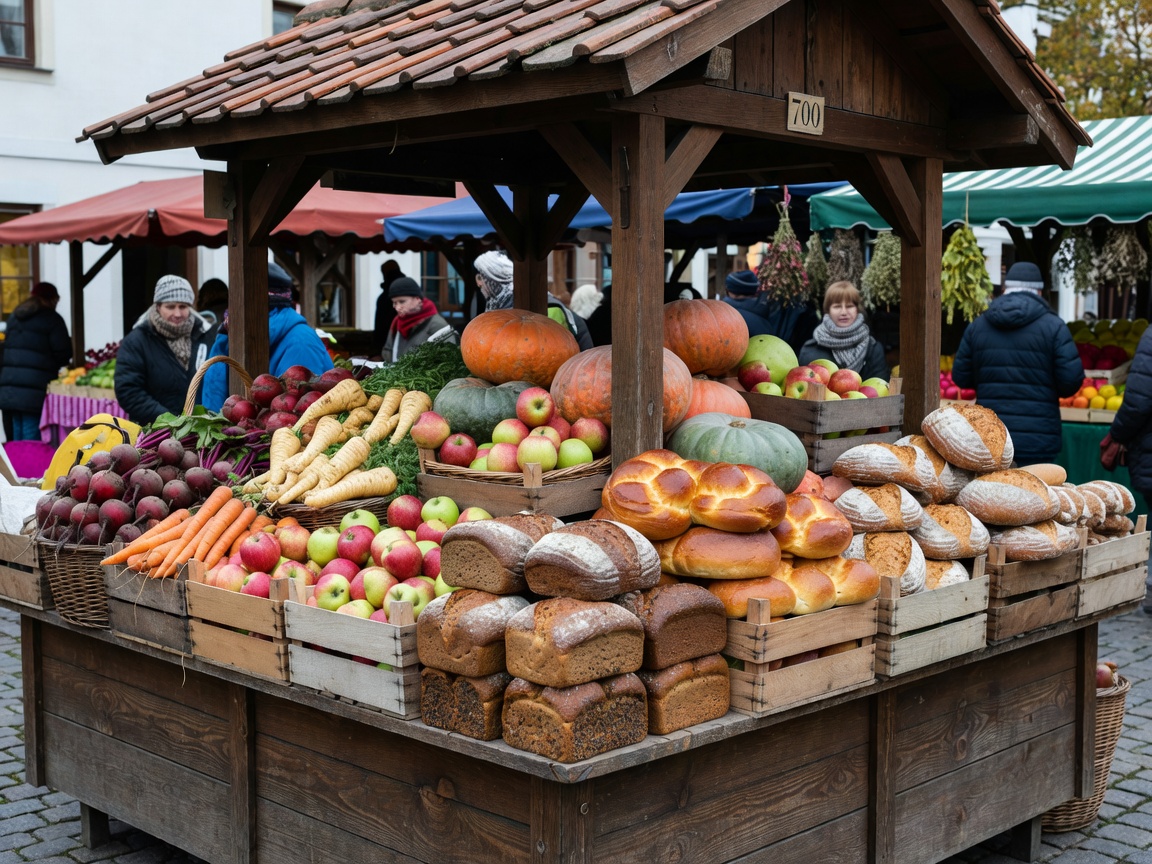
Historic cafés can function as more than places to eat. They may be social rooms, meeting points, or a calm place to pause between a bathhouse and a garden. Look for details such as service style, local pastries, and the mix of residents and visitors. Bakery counters are useful for an informal breakfast or snack, while markets can show the season's produce and local specialties without requiring a formal meal.
Vichy sits within France's varied dining culture, where meal patterns and menus reflect local practice rather than one national script. A restaurant might feature regional produce or a set lunch, but schedules and offerings change. In France, as elsewhere, lunch and dinner hours can vary by town and business. Check the restaurant directly if timing is important. Montecatini Terme in Tuscany brings a different context: Italian food culture, regional ingredients, coffee bars, and the broader rhythms of Tuscan towns. Avoid treating familiar national dishes as a complete account of local food.
Choose a restaurant with care
Consider location, the menu's clarity, seasonal dishes, dietary information, and whether the atmosphere suits your plans. A place filled with local conversation may appeal to one traveler; another may value clear allergen information and a quieter room. Read a menu outside if available, but do not judge a restaurant by its position near a landmark alone. Neither a central location nor an elaborate interior is proof of quality.
For dietary needs, communicate clearly and check how the kitchen handles cross-contact. If you have a serious allergy, ask direct questions and do not rely on a translated phrase alone. Carry a written note in the local language if helpful. For vegetarian, vegan, religious, or other requirements, look for current menus or contact the restaurant before visiting. We do not recommend individual businesses or provide live opening hours, ratings, menus, or prices.
Read the town around the table
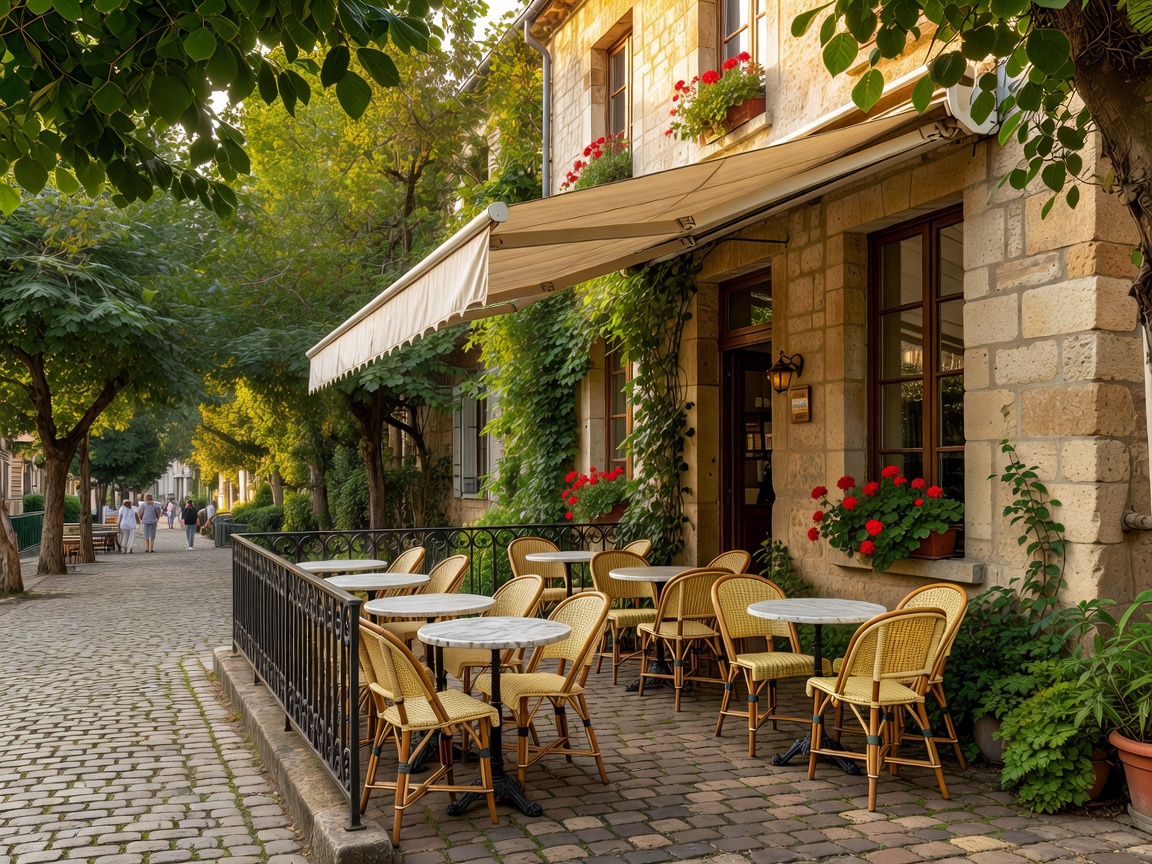
Food connects naturally to walking and architecture. A market can sit beside a historic square; a café terrace may face a colonnade; a bakery route can lead through residential streets that visitors otherwise miss. Try planning a meal around a walk rather than treating dining as a separate booking task. Explore the street, look at the building, and leave time to notice what people actually use.
Remember that tourist-facing menus and local customs coexist. A town may welcome visitors while retaining ordinary shops and routines. Be patient with different service styles, check whether service is included where relevant, and follow local norms. A simple greeting and a little attention to meal timing can make an interaction warmer without turning culture into a performance.
A useful dining checklist
| Question | Why it helps |
|---|---|
| Does the menu explain ingredients and preparation? | Useful for preferences, allergies, and unfamiliar dishes |
| Does the meal timing suit my day? | Service hours and customs vary by place and season |
| Can the restaurant confirm dietary needs? | Direct confirmation is safer than guessing from a dish name |
| Does the setting fit the visit? | A café pause, market lunch, and long dinner serve different moods |
Good for
Travelers curious about everyday life, regional ingredients, café culture, and the way food fits into an architectural or walking itinerary.
What to know
Menus, hours, prices, and dietary accommodations change. Confirm current information with a restaurant, especially when you have an allergy or a strict schedule.
Make room for local discovery
One planned meal and one flexible stop can be enough. Ask a host or visitor office what is in season; browse a market without assuming every stall is aimed at visitors; and leave space for a bakery that catches your eye. Local culture is not a checklist, and good travel does not require a perfect recommendation. Respectful curiosity is a useful starting point.
Explore the towns in our destination guide, find a walk between cafés and gardens, or read about historic bathing spaces. Contact the team via our enquiry page.