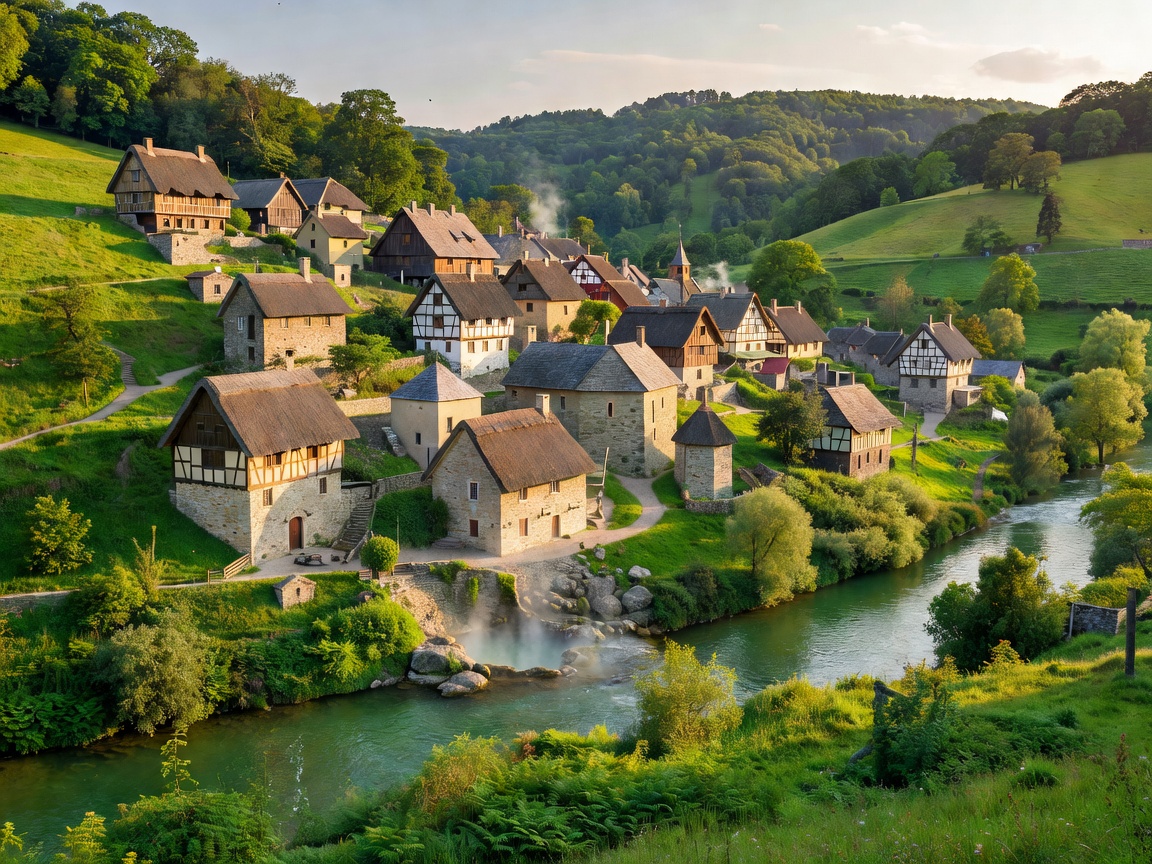
A spa town is not simply a hotel with a pool. It is a place whose public life, buildings, landscape, or history has been shaped in part by bathing, mineral water, health travel, or the rituals that gathered around them. The balance differs enormously: one town may be organized around a colonnade and drinking springs; another may be a major city with a long public-bath tradition.
Water traditions are not all the same
Some destinations are associated with naturally warm water, while others are known for mineral springs, drinking cures, historic bathing, or spa institutions that developed around a wider landscape. A destination's story does not mean every hotel has a thermal pool, or that every visitor facility uses local spring water. Karlovy Vary is strongly associated with mineral-water drinking and a sequence of colonnades. Budapest's baths form part of a much larger urban culture. Bath's Roman remains and later Georgian cityscape tell a different story again. Check the specific facility's information before planning around a particular type of water or bathing experience.
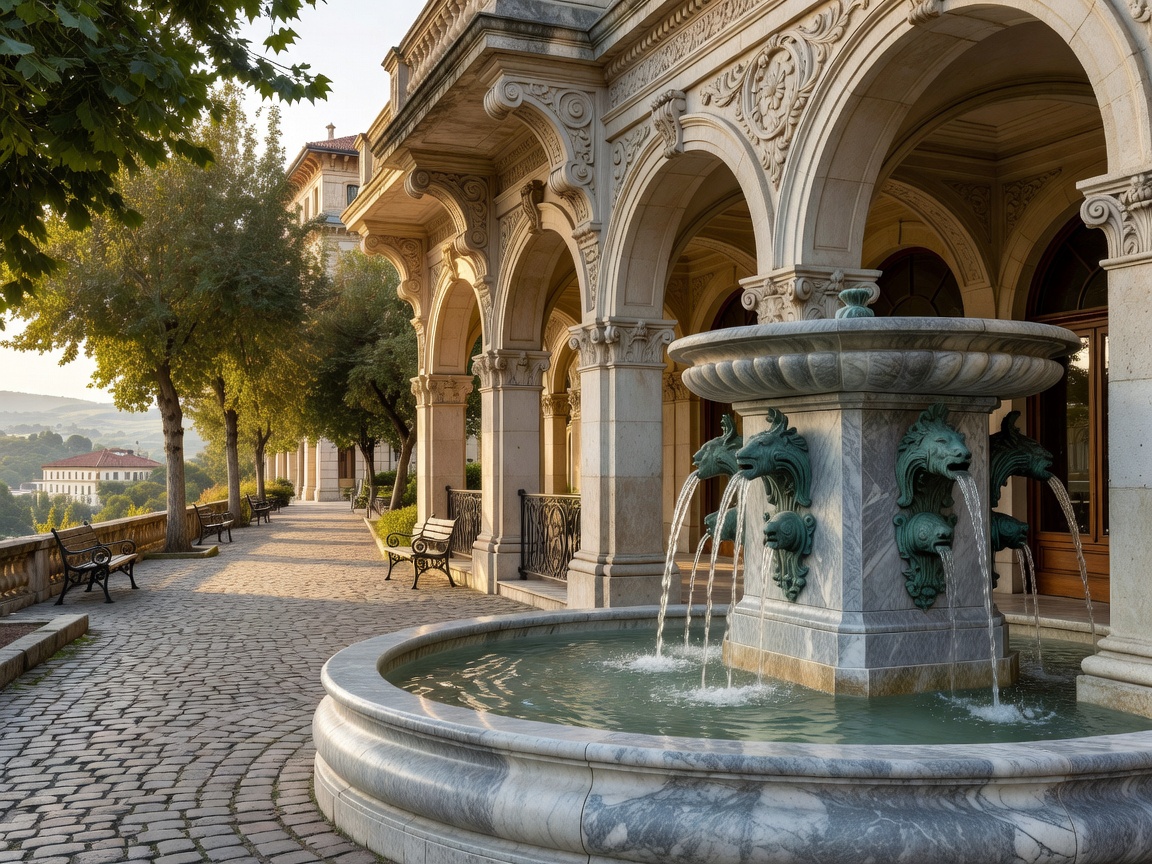
Water has influenced more than treatment rooms. It could attract visitors, encourage investment in hotels and public buildings, and support promenades where guests met, walked, and drank mineral water. These uses helped shape civic identity and architectural ambition. The legacy remains visible in fountains, parks, rail connections, and streets designed for a slower kind of public life.
Architecture and geography belong together
In the Czech spa triangle, Karlovy Vary and Mariánské Lázně are known for ornate spa architecture, colonnades, parks, and carefully composed streetscapes. Their settings give the buildings a sense of enclosure and theatrical arrival. Baden-Baden sits at the edge of the Black Forest, where spa heritage meets gardens, cultural venues, and wooded surroundings. In western Hungary, Hévíz is associated with a thermal lake and a lakeside landscape rather than an urban bathhouse alone.
Bath, in southwest England, combines Roman bathing heritage with a remarkably coherent Georgian cityscape in warm-colored stone. Vichy in France is known for spa-town planning, parks, and historic architecture, with its own regional context and traditions. Budapest is a capital city: its baths fit into a dense urban experience of museums, neighborhoods, cafés, and public transport. These differences matter more than a generic label such as “wellness destination.”
Choose by the shape of your visit
Start by asking whether you want a compact town that is easy to explore on foot, a city break with bathing as one element, a lake or mountain setting, or a resort stay with much of the day arranged on site. Then compare transport access, terrain, language and information availability, the number of non-bathing activities, and the style of architecture that interests you.
A compact spa town may make it simple to connect a bath, café, and promenade, but services can be more limited outside busy periods. A major city offers broader transport and cultural options, though crossing town can take time. A rural or lakeside destination may bring quiet scenery but require more advance planning for transfers and dining. None is universally better; the right fit depends on mobility, pace, interests, and the season.
Season, access, and practical details
Spring and autumn can suit visitors who prefer gardens and walking without peak summer conditions, but weather and local calendars vary. Summer brings longer days and outdoor life in many places; it can also mean greater demand. Winter can make indoor bathing and café culture especially appealing, while some parks or outdoor services may feel quieter. Check transport schedules and attraction information close to travel rather than relying on old listings.
Accessibility is equally specific. Historic streets may have steep gradients, cobbles, or steps; a grand building may have different access arrangements from a modern hotel. Ask facilities directly about step-free routes, changing areas, lifts, pool entry, seating, and sensory considerations. For bathing, confirm age policies, swimwear requirements, reservation systems, and whether access is included or separately arranged. Traditions and rules differ between venues.
Quick comparison
| Destination style | Possible strengths | Trade-offs to consider |
|---|---|---|
| Compact historic town | Walkable core, architecture, linked public spaces | Hills, limited late transport or services |
| Major city | Broad cultural offer and transport choices | Longer journeys between neighborhoods |
| Lake or mountain setting | Landscape-led pace and outdoor scenery | Transfers and seasonal services may need planning |
| Resort-centered stay | Facilities grouped in one property | Less spontaneous town life; confirm access terms |
Good for
Architecture lovers, slow travelers, visitors curious about water traditions, and anyone who enjoys combining a planned bathing visit with ordinary town life. Choose a destination whose setting and daily rhythm genuinely appeal, not just one with the most famous name.
What to know
Facilities, water sources, access rules, opening schedules, and prices vary and can change. We do not provide live operating information. Confirm important details with official venue and transport sources before departure.
Build an itinerary with room to breathe
Rather than filling each day with facilities, choose a few anchors: one bathing or water-related visit, a route through the historic center, time in a garden, and a meal that reflects the region. Leave flexibility for weather and energy. A short visit to a mineral-water hall can be as revealing as a full bathing session, and an ordinary market or café may explain the town as well as its grandest building.
For the next layer, explore historic bathhouses, compare wellness stays, or plan a promenade-led visit. Questions about the atlas? Contact the editorial team.