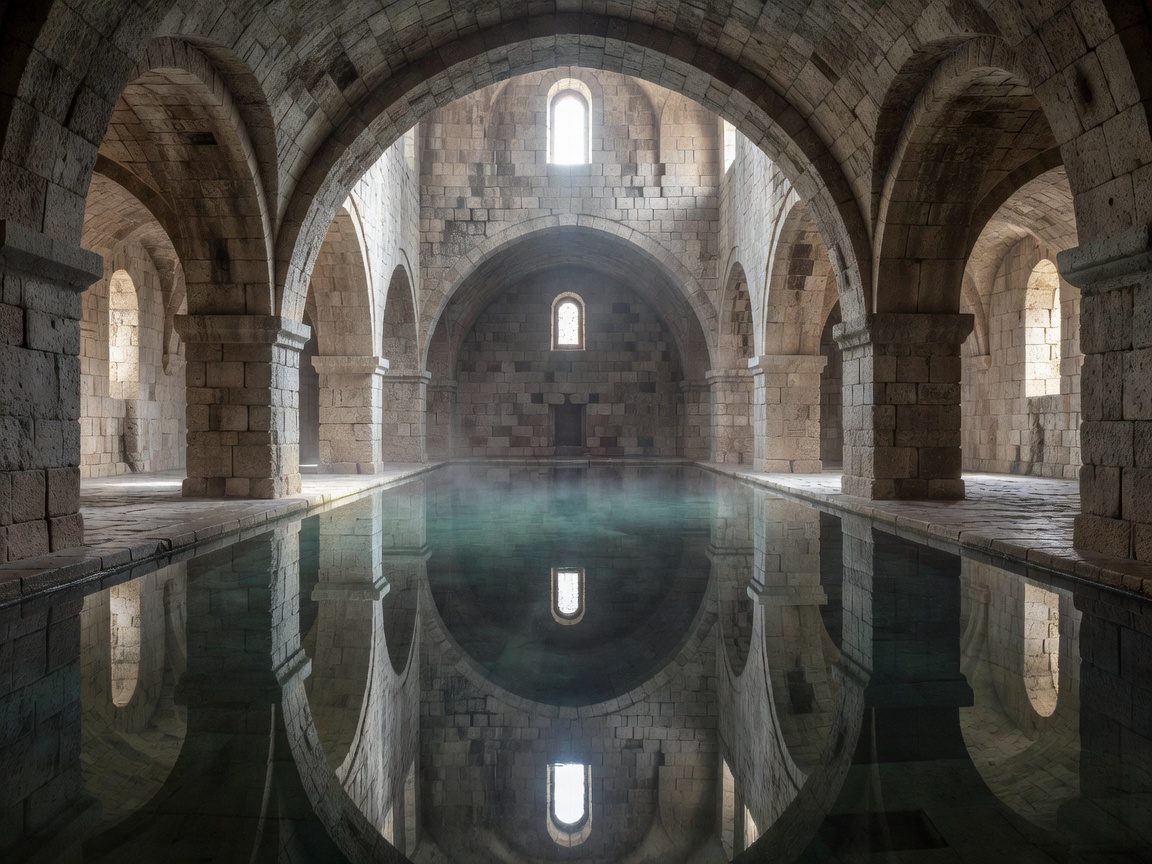
A historic bathhouse is both a practical building and a public idea. Its pools, drinking halls, changing rooms, and circulation routes reveal how people imagined health, leisure, sociability, and civic pride at different moments. Some sites remain active bathing places; others preserve architectural fragments or interpret a past practice. A historic facade does not, by itself, tell you which facilities operate today.
Bathing as public life
Public baths have served different purposes across European history. In some settings bathing was tied to communal routines; in others, spa travel became a fashionable seasonal activity or part of a prescribed water cure. The meaning of a bathhouse shifted with medical understanding, technology, social convention, and tourism. Treat any single narrative cautiously: a town may contain multiple traditions rather than one uninterrupted story.
Budapest is widely recognized for its historic bathing culture, with bath buildings forming part of the city's wider urban life. Bath preserves Roman bathing remains alongside later architectural layers. In Karlovy Vary, the mineral-water ritual often centers on drinking springs and colonnades as well as bathing facilities. Mariánské Lázně's public spaces connect springs, gardens, and elegant buildings. These are distinct experiences; an architectural visit should not be mistaken for a guarantee of present-day bathing access.
Colonnades, halls, and the spa promenade
A colonnade creates shelter while keeping a visitor connected to the street, garden, or spring. It can turn a simple walk between water sources into a ceremonial route and a place to see and be seen. In spa towns, colonnades often link architecture with landscape: a view through the columns frames trees, hills, or a town square. The structure is not merely ornamental; it organizes movement and public life.
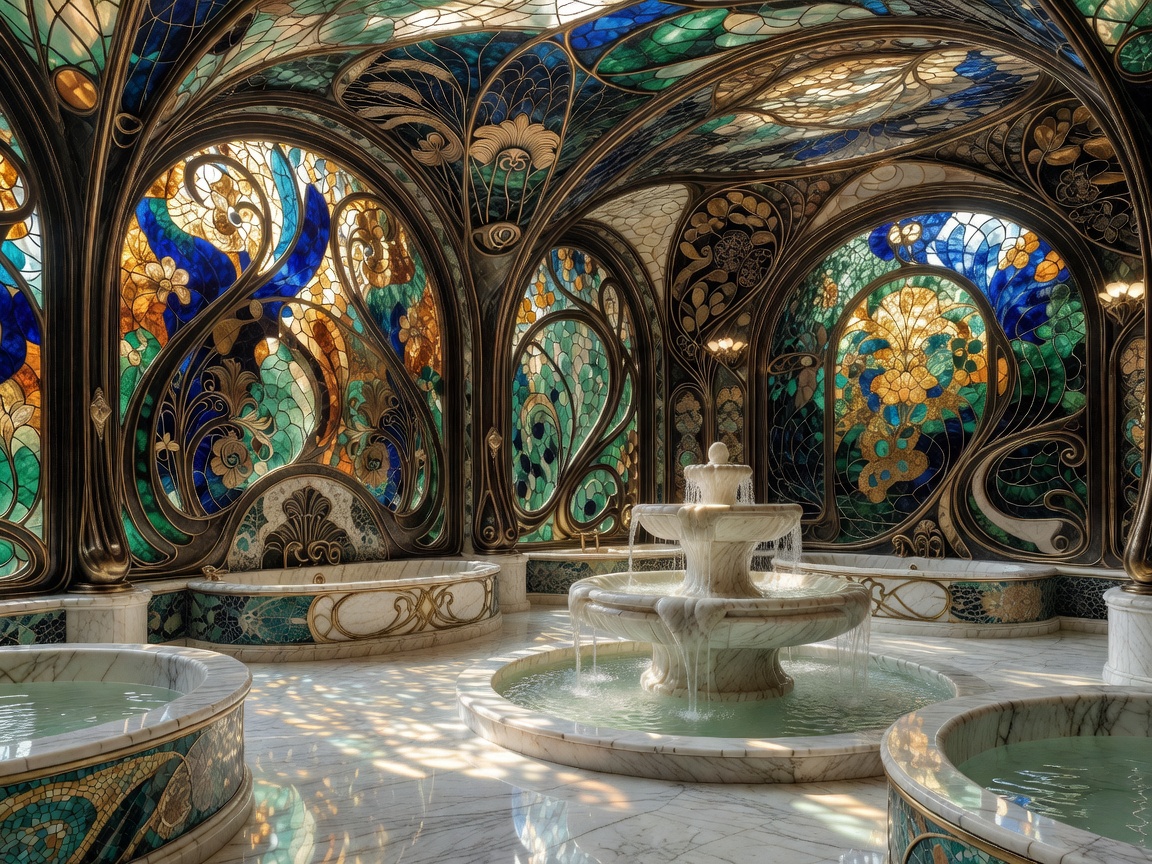
Mineral-water drinking halls have their own spatial logic. Fountains and taps may sit within a sheltered hall or along a covered walkway, with vessels designed for sipping as visitors stroll. Bathing halls, by contrast, may focus on pools, changing spaces, and controlled transitions between wet and dry areas. Classical forms, Belle Époque decoration, and Art Nouveau detail are common reference points in spa architecture, but individual buildings differ. Avoid assigning a style or date without checking a reliable heritage source.
Materials tell a quiet story
Stone and marble suggest durability and can withstand constant contact with water. Ceramic tile makes surfaces easier to clean and offers color or pattern; timber may warm relaxation areas or roof structures. Ironwork and glass helped create large, light-filled spans, while brass fixtures lend a tactile finish. Restoration teams face difficult choices: preserve original materials where possible, improve safety and accessibility, and adapt buildings to contemporary use without erasing their character.
At Baden-Baden, the spa-town experience includes historically significant architecture alongside modern facilities and other cultural landmarks. The distinction matters: a historic building may be a museum, a functioning bath, a hotel, or a mixture. Always consult the operator or heritage organization for current access and interpretation.
Public baths and private spa experiences
A public bath can offer a social atmosphere, shared facilities, and locally specific etiquette. A hotel spa is often organized around guests, appointments, and a narrower set of services. Neither is inherently more authentic. Public facilities may have separate bathing areas, timed entry, capacity controls, age limits, or swimwear customs; policies vary. Private retreats can provide quieter settings, but access may be limited to overnight guests or treatment bookings.
For a meaningful visit, decide whether your priority is architecture, bathing, mineral-water culture, or the surrounding town. If the building is central to your plans, check whether visitors can enter without bathing, whether photography is allowed, and which areas are open. Historical preservation and modern operations sometimes mean that only part of a building is accessible.
Different ways to encounter a bathhouse
| Experience | What it offers | Useful question |
|---|---|---|
| Historic public bath | Shared bathing culture and architectural character | What entry, dress, and age rules apply? |
| Drinking hall or colonnade | Water traditions and a public architectural route | Is it open to visitors, and what is the local custom? |
| Heritage visit | Context, conservation, and building details | Are guided or self-guided visits available? |
| Hotel spa | Guest-focused facilities and services | Is access included or separately booked? |
What to know
Architecture and present-day operations are separate questions. Opening schedules, access, bathing areas, photography policies, and facilities can change. Confirm directly with the venue. Be considerate in shared spaces, follow posted instructions, keep voices low where requested, and ask before photographing other visitors.
Good for
Architecture enthusiasts, cultural travelers, and curious visitors who want to understand the public life behind a spa-town facade. You can appreciate a colonnade or historic hall without booking a treatment.
Look closely, but leave room for context
Notice how daylight enters, how visitors move between thresholds, and whether a building faces a spring, park, or town street. Look at tile transitions, handrails, fountains, and seating—not only grand domes. These small details reveal how a space was used and adapted. Where interpretation is available, it can help separate documented history from a picturesque but oversimplified story.
Continue with our guide to European spa destinations, plan a promenade route, or compare wellness stays. For editorial questions, contact us.